A Practical Guide to Choosing Natural Latex Mattresses: Comfort, Durability, and Health Benefits
A Vogue-worthy exploration of natural latex mattresses—what they are, how they differ from other materials, the certifications that matter, and a refined approach to selecting a model that champions comfort, longevity, and well-being for U.S. sleepers.
In the world of sleep, few things command as much subtle influence over our daily lives as the mattress beneath us. Natural latex stands out in the modern landscape not merely for its buoyant, responsive feel, but for its potential harmony with health, sustainability, and comfort. This guide invites you to explore latex through a lens of rigor and discernment—where science, craftsmanship, and luxury intersect.
We will journey through the two most common latex production methods—Dunlop and Talalay—unravel the significance of certifications that speak to indoor air quality and environmental stewardship, and translate technical specs into practical guidance for evaluating firmness, temperature regulation, and edge support. While the topic touches on a world of products, we maintain a non-promotional, information-forward stance: the goal is to empower informed decisions for U.S. shoppers seeking durable, healthy sleep surfaces.
As you read, consider how latex’s naturally elastic, resilient character interacts with your sleeping position, body weight, and climate. The ambition is not merely to select a mattress; it is to select a platform for nights of restorative, stylishly comfortable sleep that honor both personal well-being and planetary mindfulness.
What is natural latex, and how does it differ from other common mattress foams?
Natural latex is a durable, resilient, elastic material derived from the sap of rubber trees. It is processed into blocks and layered into mattresses in two primary ways: Dunlop and Talalay. Dunlop latex is generally denser and heavier; it provides a straightforward, solid feel with strong responsiveness. Talalay latex involves a more refined manufacturing process that yields a lighter, more uniform cell structure, resulting in a slightly plusher, more buoyant sensation. Both forms preserve latex’s characteristic bounce and pressure-relieving properties, but they can deliver distinct feels that suit different sleep preferences.
Compared with memory foam, latex tends to offer quicker recovery after pressure is relieved, a more buoyant response, and typically better airflow: all of which contribute to temperature regulation. In contrast to innerspring systems, latex can be used as a standalone core or layered with other materials to achieve a balance of contouring and support. The result is a surface that many sleepers describe as naturally supportive, with a sense of agility that makes it easy to move without sinking excessively.
Certifications that matter for indoor air quality and sustainability
When shopping for a natural latex mattress, certifications act as signals—manuals of assurance that a product aligns with certain standards related to materials, processing, and safety. In the U.S. market, look for the following indicators as you read product specifications and certifications:
- GOTS (Global Organic Textile Standard): While primarily associated with textiles, some components and fabrics used in mattress covers or components may bear GOTS certification, reflecting organic fiber production and environmentally responsible processing.
- OEKO-TEX: A widely recognized third-party standard focusing on textile safety and the absence of harmful substances. An OEKO-TEX certification on fabric layers supports assertions of indoor air quality friendliness.
- Eco-Institut or similar sustainability and chemical safety seals: Independent certifiers that assess the absence or minimized use of harmful chemicals, enhancing confidence in environmental stewardship and occupant health.
- Made in USA" or domestic layering disclosures: For many latex mattresses, the origin of latex, fabric, and assembly can influence perceptions of quality control, supply chain transparency, and regional manufacturing practices.
It is essential to understand what a certification covers. Some labels focus on the textiles themselves, while others extend to the entire product—including core materials, flame retardants, adhesives, and cover fabrics. Read product pages carefully to confirm what is certified and in which components. This clarity helps ensure the mattress aligns with considerations about indoor air quality, chemical exposure, and sustainable sourcing.
Practical buying tips: evaluating firmness, temperature regulation, and edge support
A natural latex mattress offers a spectrum of firmness options, but the key is to map that firmness to your sleeping position, body weight, and preference for contouring versus buoyancy. Here is a concise framework to guide your evaluation:
- Firmness and sleeping position: Side sleepers often prefer a slightly softer feel to cushion shoulders and hips, while back and stomach sleepers may favor medium to firmer profiles for spinal alignment. A latex mattress often provides a stable, consistent feel across a range of firmness ratings due to its resilient support.
- Pressure relief and contour: Latex is not as slow-responding as memory foam, but it provides more immediate support after relief of pressure. Consider whether you want more immediate contouring or a cradling yet responsive surface.
- Temperature regulation: One of latex’s advantages is breathability. For warmer climates or heat-prone sleepers, a mattress with good latex ventilation and a breathable cover contributes to a cooler sleep environment. In some models, plant-based or breathable covers further support airflow.
- Edge support: Latex cores are often dense and robust, which supports edge stability. If you frequently sleep near the edge of the bed or share the bed with a partner of varying sizes, strong edge support is a meaningful feature.
- Durability and longevity: Natural latex is known for resilience and a long lifespan. With proper care and a suitable foundation, a latex mattress can maintain its comfort and performance for many years.
Additionally, pay attention to the cover and comfort layer configuration. Some latex mattresses use a combination of Dunlop and Talalay layers to balance firmness and pressure relief. A layered approach can tailor the feel, offering the best of both manufacturing philosophies within a single mattress.
Tip: when testing a latex mattress in-store or evaluating online specifications, seek models that clearly describe the layer composition, the percentage of latex used, and whether the latex is natural or blended. A straightforward buyer checklist can help you compare models efficiently without getting lost in marketing language.
Tailoring your pick to U.S. standards and consumer needs
In the United States, consumer expectations for safety, labeling, and performance are evolving. A reputable latex mattress should provide transparent information about material sources, processing methods, and certification status. The U.S. market benefits from independent testing labs and consumer-protection frameworks that encourage clarity and density in product disclosures. When you review a latex mattress, ask for:
- Clear details on the latex’s source—whether it is Dunlop, Talalay, or a blend, and whether the core layers use a uniform density or sectional zoning for targeted support.
- A readable breakdown of the cover materials, any flame retardants used, and the presence of any adhesives or chemical curing agents.
- Documentation of certifications relevant to textiles and overall product safety, including independent testing reports or certificates from reputable certifiers.
- Guidance on weight limits and recommended foundations or bases to ensure longevity and optimal performance.
In a broader sense, choosing a latex mattress within a non-commercial, educational framework means prioritizing clarity, science-backed content, and a transparent description of materials. Your mattress becomes not only a sleep tool but an extension of your values—health, integrity, and a refined sense of daily luxury.
Product spotlight: authentic latex options that align with quality and ethics
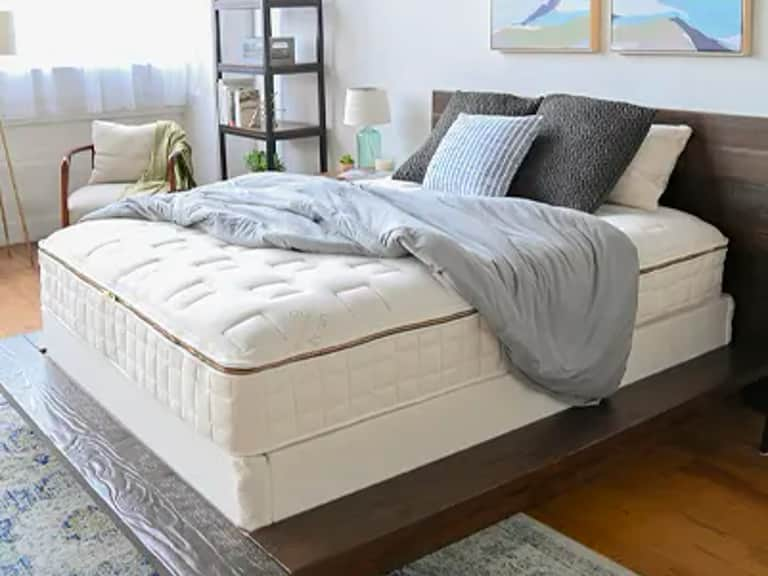
Within the luxury and wellness segment, several brands stand out for their commitment to natural materials and domestic manufacturing processes. One example of such quality—though presented here in the spirit of informed consumer education rather than a sales pitch—is a latex mattress that emphasizes organic components and customizable layering. The Savvy Rest Tranquility Latex Mattress, a 7-inch latex core with two layers of natural latex, offers a model of customization and organic materials that resonates with the values of many sleep-conscious shoppers. It is crafted with organic wool and organic cotton, with the option for Dunlop or Talalay latex, and it is designed for a on-demand, adaptable sleep experience. The product listings indicate a strong emphasis on safety, durability, and American craftsmanship, aligning with a mindful, health-forward consumer ethos.
Another example that illustrates the breadth of natural latex offerings comes from Naturepedic’s EOS Classic Mattress. The EOS Classic is described as a completely customizable, fully organic mattress with a multi-layered construction that lets sleepers tailor the top comfort layer and the bottom support layer. The EOS Classic embodies a European-inspired design and packaging that speaks to a premium, design-conscious audience. This model underscores the principle that identity in sleep products can harmonize luxury with environmental responsibility, a balance that modern shoppers increasingly demand.
These examples illustrate how latex mattresses can fuse material transparency, customization, and sustainable production. They also reflect the broader opportunity for educational platforms to discuss the practical implications of material choices—how you feel on the surface, how heat moves through the layers, and how the mattress performs over years of use. When you encounter models like these, approach them with the same critical eye you bring to any luxury purchase: test the feel, review the specifications, confirm certifications, and consider the long arc of comfort, health, and environmental impact.
Putting it all together: a sensible, stylish path to your natural latex mattress
A successful selection blends personal comfort preferences with informed criteria. Begin with a clear sense of your sleeping position, weight, and climate, then align those factors with the latex’s firmness range, its layer configuration, and the ventilation properties of the cover and core. Seek models that provide explicit details about the latex type, density ranges, and any additional layers that influence temperature management and edge support. Look for reputable certifications that speak to both material safety and environmental stewardship. Finally, consider the warranty and service terms, as a durable, well-supported mattress is part of a complete sleep strategy.
As you navigate this refined world of natural latex, picture your bedroom as a sanctuary of light, texture, and quiet luxury. The right latex mattress should feel effortless to adjust to—offering comfortable resilience, a breath of fresh air in the night, and a sense of daily renewal upon waking. In the language of fashion and editorial vision, your mattress is a signature piece: a foundation that underpins your mood, productivity, and sense of well-being.
Conclusion: embracing a health-forward, educated approach to sleep
Natural latex mattresses hold a compelling proposition for U.S. shoppers who value comfort, durability, and a conscientious approach to materials. With two primary latex production methods—Dunlop and Talalay—consumers can find a balance between firmness, contouring, and buoyancy that aligns with their sleep needs. Certifications related to textiles and sustainability provide a framework for evaluating safety and environmental responsibility. In the end, the most satisfying purchase is one anchored in clarity, evidence, and a sense of luxury that respects both personal health and the planet.
If you’d like, we can tailor a short, practical buying checklist for your preferred sleep position, weight, and climate, or craft a curated glossary of latex terms to accompany your learning journey. Your path to a better night’s sleep begins with informed curiosity and a refined palate for quality—two essential ingredients in any Vogue-worthy sleep revolution.
Glossary and further reading
- Latex: A natural material derived from rubber tree sap, used in mattress cores and comfort layers for resilience and contouring.
- Dunlop: A latex production method producing a denser core and two-layer structure that tends to feel firmer and more uniform.
- Talalay: A latex production method yielding a lighter, more uniformly aerated feel with potential for greater softness in comfort layers.
- Certifications: Independent validations that may cover textile safety, chemical content, and environmental responsibility, contributing to indoor air quality assurance.
- Edge support: The ability of a mattress to maintain stable, comfortable support along its sides, important for sitting and shared sleeping arrangements.