How Your Sleep Environment Impacts Sleep Quality: The Mattress Connection
A thoughtful exploration of how mattress choices shape rest, with practical guidance for temperature, support, and longevity — through the lens of scientific sleep research and intimate human narratives.
Sleep is not simply a pause between waking hours; it is a daily restoration that rewrites the body's afternoon ledger. The room temperature, the texture of the sheets, the firmness of the surface supporting our spine, and even the way a protector breathes under a bed sheet—all contribute to the quality of the next morning. In this piece, we examine the mattress as a fulcrum of sleep health: a product and a ritual, a technical device and a lullaby. We will navigate the science of how different mattress types influence spinal alignment and pressure relief, the practicalities of maintaining a clean, allergen-reduced sleep surface, and the art of selecting protective bedding that offers both safety and sensorial comfort.
This essay draws on themes of sleep environment optimization, focusing on mattress selection and care, while weaving in voices from three distinct time periods to give texture to the conversation about rest, memory, and material culture.
The Mattress as an Interface Between Body and Environment
The mattress stands at the junction of physiology and habitat. It is both a product engineered to adapt to the curvature of the body and a canvas for a nightly ritual—an arena where bacteria, dust mites, pet dander, or the clean, cool touch of linen all play their part. The modern mattress market offers a spectrum: from latex-dominant natural beds to memory-foam cushions and hybrid constructions that fuse springs with foam layers. The common thread across these variations is the promise of a restorative surface: support where it matters, softening where it helps, and breathability to cap the night in comfort.
A mattress that supports healthy spinal alignment is not a contraption but a partner in sleep. When the hips and shoulders find their points of equilibrium, breathing tends to settle into a calm rhythm, and the nervous system can release its guard. Conversely, a surface that concentrates pressure or traps heat can mock the body’s need for release, turning the night into a series of micro-disruptions.
Three Time-Period Perspectives on Comfort
The Classical Thinker (Ancient to Early Modern)
In earlier centuries, comfort was often a matter of material richness and bodily sympathy with a bed’s form. Think of a mattress as a crafted surface embedded with the period’s craftsmanship—hand-stitching, wool wraps, and the tactile knowledge of upholstery. The goal was simple and resolute: to cradle the body with durable materials that breathed in harmony with night and season. Such beds remind us that rest is a humane technology, not merely a consumer object.
The Modern Health Scientist (Mid-20th to 21st Century)
Contemporary sleep science treats mattress choice as a variable in sleep efficiency. Research emphasizes pressure distribution, temperature regulation, and allergen exposure. A mattress is evaluated not just by how it feels, but by how efficiently it fosters restorative sleep stages. Breathable materials, foam density, and latex composition become variables in a complex equation of comfort and thermal neutrality.
The User Narrative (Today)
For many readers, the right mattress is a personal discovery: a surface that aligns with weight, sleeping position, and sensitivity to heat or motion. The modern buyer learns through reviews, trials, and the quiet physics of materials—natural latex offering pressure relief, organic cotton managing moisture, and breathable protectors that shield against allergens without sacrificing comfort.
Key Mattress Types and How They Affect Sleep Quality
The core differences among mattresses lie in how they contour the body and manage temperature. Latex beds—often natural or organic—tend to provide buoyant support with air permeability, helping regulate body heat while offering pressure relief that minimizes sinkage. In contrast, memory-foam layers excel at isolating motion and conforming to curves, which can be beneficial for restless sleepers or couples sharing a bed. Hybrid constructions aim to balance contouring with bounce, combining coils with foam layers to provide both support and ease of movement.
Firmness is not a universal metric of comfort. It is a relationship: between your body weight, sleeping position, and the mattress’s density and layer arrangement. The goal is a neutral alignment where the spine remains in natural alignment from neck to pelvis, while joints experience no undue compression or pulling. If the shoulders sink excessively on your mattress, or if the lumbar region feels unsupported, a thoughtful adjustment to the surface can yield a more restorative night.
Practical Steps to Optimize Your Sleep Environment
- Choose with intention: When evaluating mattresses, consider your primary sleep position, weight, and any sensitivities to heat, odors, or allergens. A mattress with good breathability and moisture management helps maintain thermal neutrality across seasons.
- Protect and maintain: Use washable, breathable protectors to shield against spills, dust mites, and allergens without blocking airflow. Prioritize materials that are organic or natural where possible, and opt for protectors with hypoallergenic properties.
- Care for cleanliness: Regular laundering of bedding, wash cycles for protectors, and periodic airings of the sleep space reduce irritants and improve air quality in the room.
- Regulate temperature: A cooler sleep environment often yields deeper rest. Consider layering; breathable sheets, a breathable mattress cover, and a lighter blanket can help maintain equilibrium without overheating.
- Mind the room’s humidity and airflow: Proper ventilation and stable humidity levels reduce the potential for mold and dust mites, contributing to a calmer, healthier sleep habitat.
Three Notable Figures Across Time: Perspectives on Rest
Hypatia (c. 370–415 CE)
The era’s philosophers understood rest as a discipline of balance. If Hypatia could be imagined working among wax tablets and chalkboards, she might insist on a bed that respects the body’s geometry—an early whisper that materials matter to the mind’s clarity, not merely the body’s repose.
Ralph Waldo Emerson (1803–1882)
Emerson’s essays choreograph the soul’s rest with daily labor. A bed, in his vision, would be a sanctuary for thought and reflection, where the surface yields to human energy without overbearing it. In his cadence, the sleep environment becomes a cultivated space for clarity, not a battleground for discomfort.
Dr. Lisa Mosconi (b. 1978)
A contemporary neurologist who weaves neuroscience into daily living, Mosconi would remind us that sleep is a biological imperative. For her, mattress choice is a practical means to support brain health—temperature regulation, a clean sleep environment, and minimal disruptions that allow the brain to rest and reset.
An Editorial Meditation on a Mattress-Driven Wellness
The bed is a stage set for the most intimate human performance: the night. It is where the body’s grammar of rest writes its sentences in slow ink. When we choose a mattress with care, we choreograph a nightly routine that supports lungs that exhaust less breath, muscles that soften, and minds that wake with a readable energy. The domain of sleep health is not a single product line but a constellation: a base layer of support, a breathable top layer, a protector that breathes with the body, and bedding that invites restorative heat transfer rather than blocking it.
In a world of ever-shifting sleep science, a steady anchor remains: a clean, temperature-stable, well-supported surface can transform the capricious theater of night into a disciplined, restorative ritual. The words we choose to describe this experience—comfort, breathability, alignment, and protection—become a map for readers seeking a calmer dawn. The mattress, in short, is not merely furniture. It is a partner in health, a material memory of the body’s nightly longing to reset.
Selected Mattress and Bedding Options
Among the curated options that exemplify the themes above, the following selections illustrate how materials and design influence sleep quality. The products are presented to illuminate the practicalities of breathability, support, and longevity, while respecting the editorial voice of thoughtful, discerning readers.
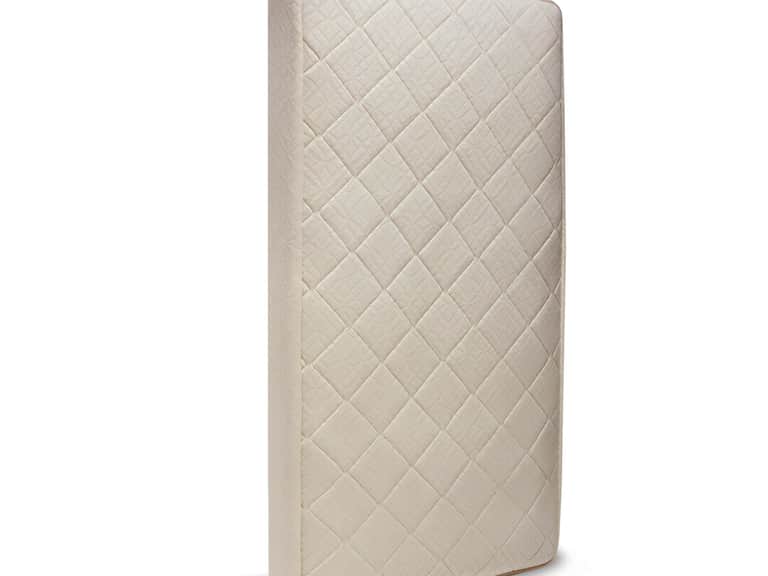
Naturepedic Ultra Breathable 2-Stage Organic Crib Mattress
A compact, two-stage crib mattress that embodies the principle of breathable, organic construction. It features a firm base with a breathable top layer, a waterproof exterior, and a pediatric-friendly, non-toxic design. While designed for infants, the underlying philosophy—breathability, cleanliness, and safety—speaks to broader sleep-health ideals: a surface that remains cool, dry, and free of irritants.
Price: 459.00
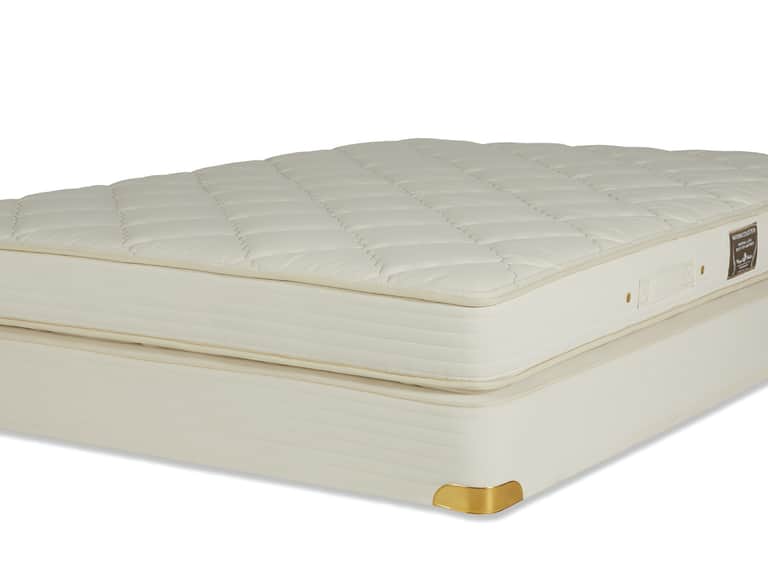
Royal-Pedic Natural Latex Quilt-Top Mattress with Canvas Ticking
An exemplar of latex-based luxury, with French wool, cotton, and a pre-compressed wool wrap to minimize impressions. This mattress prioritizes balanced temperature, high-quality natural materials, and a robust support structure that can handle varied sleep positions while maintaining a plush yet stable feel.
Price: 5714.00
Note: The selections above illustrate the broad range of materials and design philosophies present in high-end sleep gear. They are representative examples of how breathability, sustainable materials, and thoughtful construction contribute to sleep quality. For readers seeking guidance tailored to specific sleep needs, consultation with a sleep professional and a tactile trial period with a mattress is advised.
Conclusion: The Mattress as a Health-Forward Habit
The sleep environment—especially the mattress—affects resilience, mood, and the brain’s nightly housekeeping. By prioritizing materials that breathe, providing a surface that supports the spine while accommodating your preferred sleep posture, and maintaining a clean, allergen-reduced room, you invest in a healthier, more humane rhythm of living. The goal is not a perfect mattress but a thoughtful harmony: a bed that respects the body’s geometry, a protector that guards without stifling, and a climate that invites steady, restorative sleep.